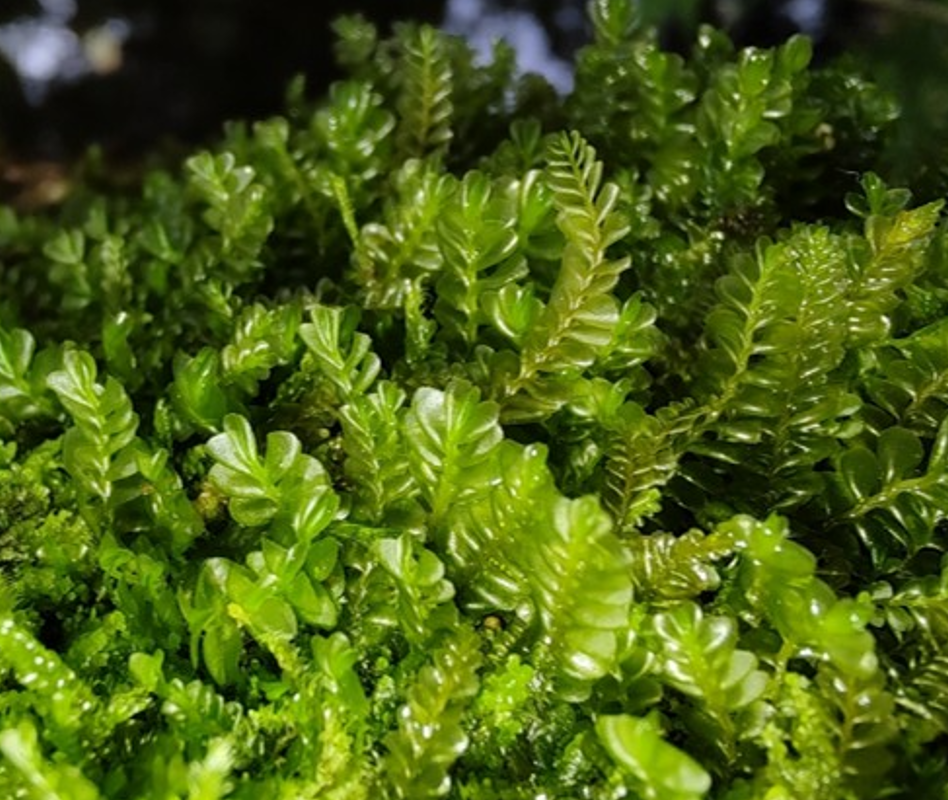
I’m delighted to share that ApTaChil “Applied Taxonomy of Plagiochila: Accelerating systematics and exploring the biomedical potential of the largest liverwort genus” has secured €330 000 of support from Spain’s Knowledge Generation Projects call (Agencia Estatal de Investigación, Ministerio de Ciencia, Innovación y Universidades; PID2024-156818NB-I00).
Fast-tracking Plagiochila systematics
Led by PIs Rafael Medina (UCM) and Elisa Carrasco Cerro (UAM), the project will:
- Produce the first Hyb-Seq phylogenomic backbone for Plagiochila sect. Plagiochila using a custom probe set targeting ~500 nuclear loci.
- Combine those data with geometric morphometrics and explainable AI to uncover overlooked diagnostic traits.
- Deliver a foundation monograph for the section
These goals feed directly into David Horcajada’s PhD thesis, which will dissect the P. asplenioides/porelloides complex, test species boundaries and trace hybridisation across the Holarctic.
Powered by an international network
The systematics dimension of ApTaChil builds on the expertise and field support of:
- Matt Renner – Royal Botanic Gardens Sydney
- Li Zhang – Fairy Lake Botanical Garden, Shenzhen
- Rui-Liang Zhu – East China Normal University
- Masaki Shimamura – Hiroshima University
Their collaboration will ensure global sampling, ethical fieldwork and open-access resources for the bryological community.
From liverworts to the lab bench
The project’s applied arm, led by Elisa Carrasco, explores the biomedical potential of Plagiochila secondary metabolites. In collaboration with Luis Miguel Bedoya, José Antonio Guerra (School of Pharmacy, UCM) Alfonso Blázquez and Marta Mascaraque (UAM), we will isolate and characterise target compounds, test them in 2D and 3D models, and assess their cytotoxicity and wound-healing potential. This work bridges fundamental taxonomy with translational research, opening new avenues for the use of bryophyte diversity in biomedical applications, and beyond.
Looking ahead
Over the next four years we’ll weave together taxonomy, bioinformatics, natural-product chemistry and cell biology to reveal new biodiversity and probe the biomedical promise of Plagiochila secondary metabolites.
Comments are closed